Building Better Adaptive Trikes With Youth En Route
Hi again, Sam here! If you read my last blog post, you’ll know I’ve been spending my co‑op term with Youth En Route, helping support their adaptive cycling programs in Calgary schools. That first post focused on what it was like to see students using adaptive bikes in real classrooms and how those experiences shaped my understanding of what “good design” actually means in practice.
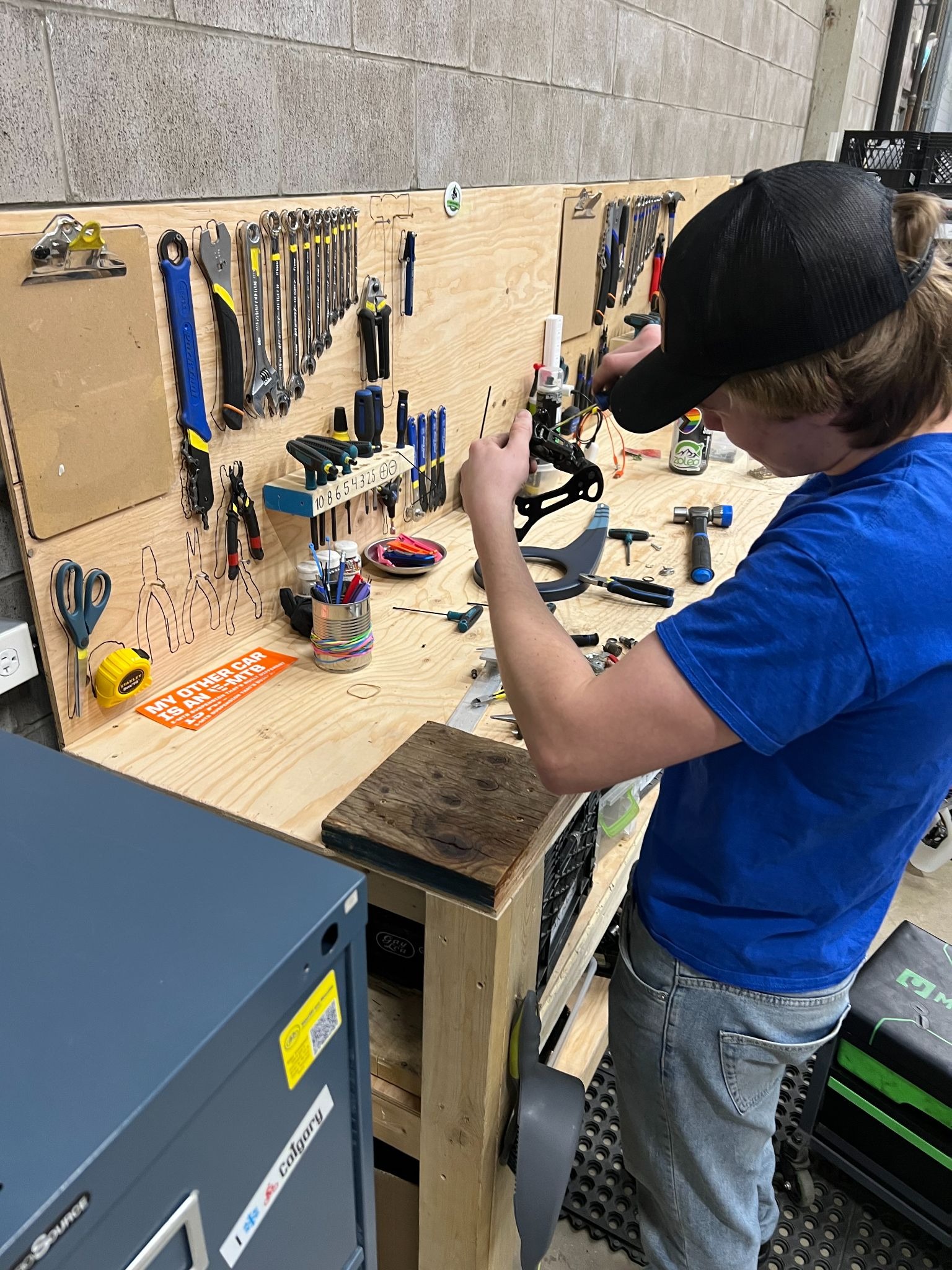
This post is all about what came next: rolling up my sleeves, heading into the shop, and taking on the challenge of improving Youth En Route’s adaptive tricycle so it can better serve the kids who rely on it.
From Classrooms to the Workshop
After spending time in schools, I had a much clearer sense of what worked, what didn’t, and what slowed down a class. That context made the engineering side of this project feel a lot more grounded. I wasn’t just designing parts, I was designing for real kids, real teachers, and real 30‑minute gym periods where every second counts.
The trike I worked on started as a University of Calgary Capstone project. Their team created the first version of a tricycle that can switch between fixed gear (great for teaching pedaling) and freewheel (great once kids get the hang of it). It was a brilliant concept, but the model they used isn’t made anymore.
So my job this term was to take that idea and make it work on a new trike. One that Youth En Route could actually buy, modify, and use in classrooms.
Making the Trike Easier to Ride (and Teach With)
A lot of my work focused on making the trike more reliable, easier to adjust, and more intuitive for both students and instructors. Here are the big pieces I tackled:
1. A smoother way to switch between fixed and freewheel
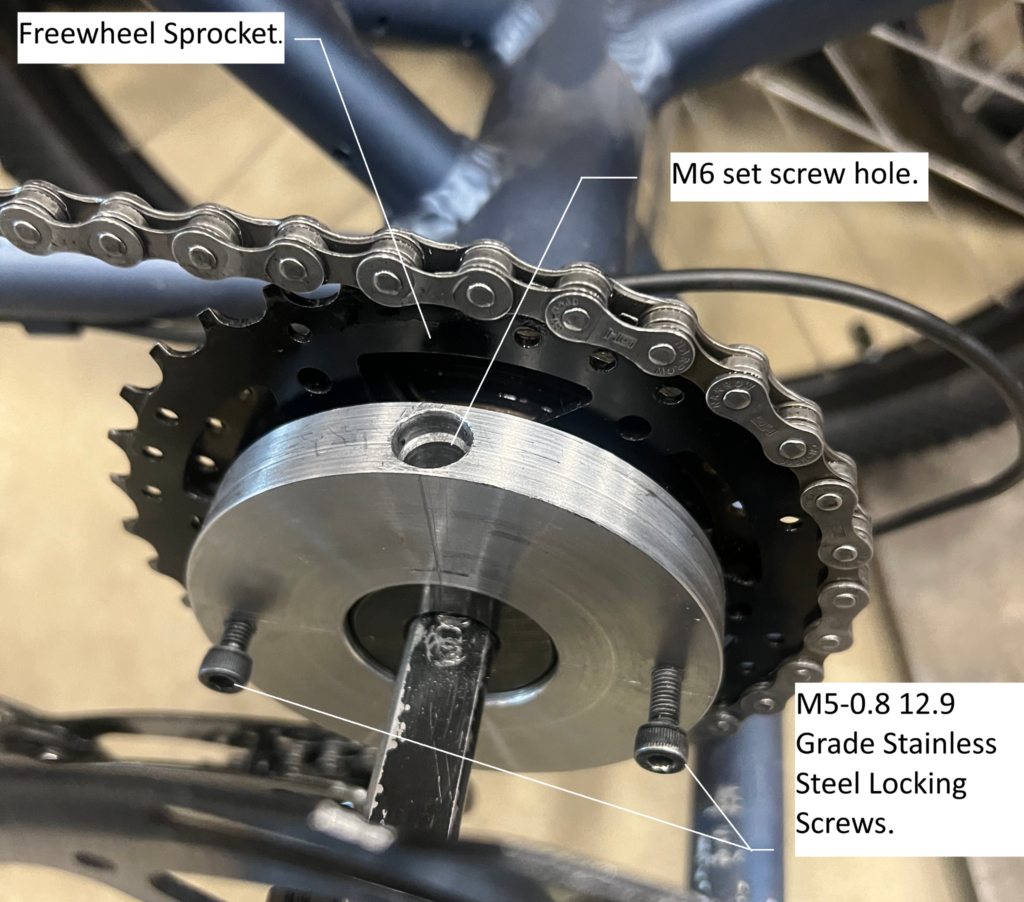
The new trike uses a different axle system, so the original mechanism didn’t fit. I redesigned the part that fixes the freewheel to the axle so when needed the tricycle can operate as a fixie. This way kids can learn the circular pedaling motion and leave behind the “push‑forward, push‑back” pattern that might develop on a freewheel trike. The new version is simple, strong, and easy to use.
2. Fixing the chain slack problem
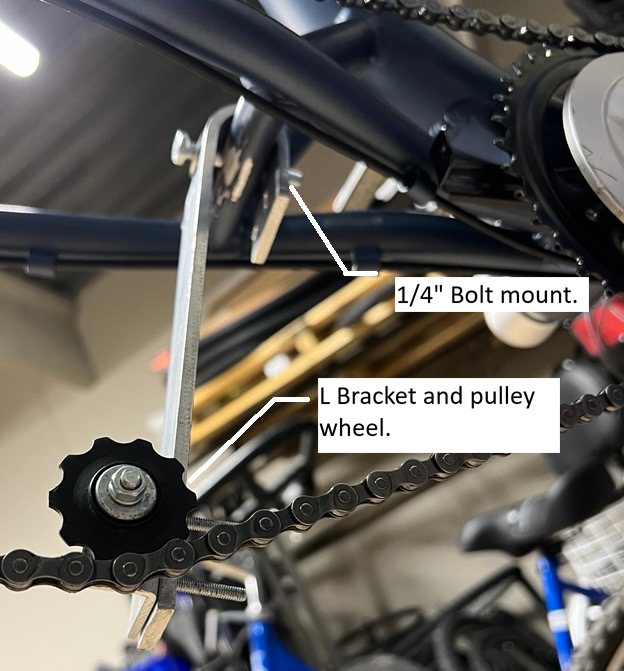
Once the fixed mode worked, a new issue popped up: the chain would go slack when kids backpedaled, which could derail it. Not ideal in a classroom full of excited riders. I developed a new chain tensioner system that keeps everything tight and running smoothly, taking the tension off of the derailleur when the trike is in its lowest gear to allow for back pedaling in fixed gear.
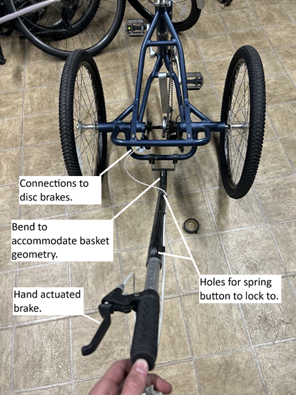
3. Designing a better push bar
The old push/pull bar used in adaptive programs wasn’t designed for the new trike and didn’t have a brake. I built a new version that:
- curves around the rear basket
- includes a brake lever for instructors
- retracts for easier storage
- is cheaper to build
It’s a small change that makes a big difference in how confidently instructors can support students.
Why This Work Matters
One of the best parts of this co‑op has been seeing how engineering decisions show up in real life. When a design works well, a student gets to feel independent, confident, and capable. When it doesn’t, the whole class slows down.
Knowing that the parts I designed will help more kids experience the joy of riding. That’s the kind of engineering impact that sticks with you.
If you want to read more about the classroom side of this project, you can check out my earlier blog post, where I talk about what it was like to see the original trike in action and how those experiences shaped this redesign.
Looking Ahead
Youth En Route hopes to produce an initial batch of ten modified trikes for school programs and for families who may want one at home. Before that happens, we’ll be doing more testing, refining the manufacturing process, and making sure everything holds up to the daily chaos of a school gym.
I’m excited to see where the project goes next and even more excited to know that these improvements will help more students learn to ride with confidence.
If you ever want to chat about engineering, mobility, or adaptive cycling, feel free to reach out at sam@youthenroute.ca.